

Generative AI has emerged as one of the most transformative technologies of the 2020s. From crafting text and images to composing music and writing code, generative AI tools like ChatGPT, DALL‑E, Adobe Firefly, and Gemini are reshaping how we create and interact. This article explores what generative AI is, its major applications, benefits, and challenges, backed by real statistics and watch-outs perfect for anyone curious about this powerful tech revolution.
What Is Generative AI?
Generative AI refers to artificial intelligence systems designed to generate new content text, images, audio, video, or code based on data they’ve learned. Unlike past AI that mostly identified patterns, generative AI creates new material based on prompts or instructions .
- Transformers (e.g. GPT‑4, Gemini): Handle language, image, and audio prompts.
- GANs (Generative Adversarial Networks): Generate realistic images by pitting two neural networks against each other.
- Diffusion models (like Stable Diffusion, Firefly): Start with noise and sculpt it into detailed images wikipedia.
These models form the backbone of tools that generate essays, do image-to-image editing, create lifelike artwork, draft code snippets, and more.

Explosive Growth & Market Adoption
- In 2024, 71% of organizations used generative AI tools, up from 65% earlier in the yearز
- North America leads with a 40% adoption rate, while globally about 33% of companies use generative AI.
- Private investment in generative AI reached $33.9 billion in 2024, an 18.7% increase from 2023.
- Business adoption is growing at 20% annually, and ROI from generative AI is approximately 3.7× per dollar invested.
In short: generative AI isn’t just hype it’s becoming integral to modern workflows.
Everyday Applications of Generative AI
Enhanced Productivity at Work
- Developers are saving 20–30% of time by using generative AI agents for coding, debugging, and documentation.
- In professions like radiology, generative AI drafts reports and handles patient follow-ups, letting clinicians focus where their skills matter most.
- Microsoft 365 Copilot recently helped civil servants save an average of 26 minutes per day during a 14,500‑person trial.
Content Creation & Design
- For artists and marketers, tools like Stable Diffusion, Adobe Firefly, Midjourney, and DALL‑E turn written prompts into stunning visuals.
- In filmmaking, Runway ML now enables 4K video generation, democratizing video production.
Customer Service & Chatbots
- Businesses deploy chatbots powered by GPT or Gemini to automate FAQs, draft emails, and enhance user support saving time and money.
Research & Idea Generation
- Students, writers, and researchers use generative AI to draft drafts, brainstorm topics, summarize content, and translate languages.
Coding & Development
- Models like Devstral, Codex, and GPT‑4o assist in writing, debugging, and optimizing code allowing developers to work more efficiently.
Key Benefits
- Faster Content Generation: Pro-level essays, images, and code in seconds.
- Increased Productivity: Handling repetitive tasks like report writing and email drafting.
- Accessibility: Lowers barriers to design and writing; non-experts can do more.
- Innovation: Sparks new ideas and creative directions across fields.
Challenges & Risks
Accuracy & “Hallucinations”
AI models may confidently output incorrect or misleading details users must verify outputs.
Intellectual Property & Plagiarism
Many are trained on unlicensed material raising legal and ethical concerns in creative industries.
Bias in Outputs
AI mirrors historical biases: e.g. assuming stereotypical gender or racial roles in text and images.
Carbon & Environmental Footprint
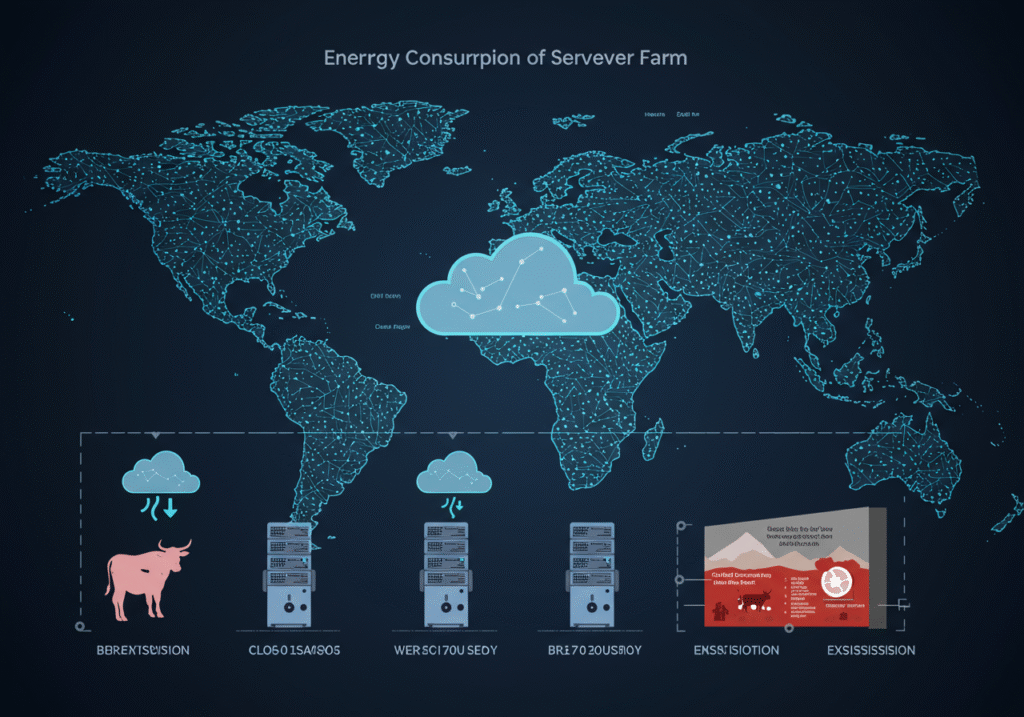
Training AI consumes energy by 2035, emissions may rival the US beef industry.
Job Disruption
While generative AI helps, it also threatens some roles. Displacement risks exist for mid-skill work.
What the Future Holds
- Multimodal Agents: Google’s Gemini 2.5 and xAI’s Grok‑3 can process text, images, and audio and even do reasoning.
- Industry-Specific Agents: Customized AI tools for law, medicine, finance, etc.
- Regulatory Landscape: Growing legal frameworks e.g. EU AI Act, US watermarking rules will shape ethical usage.
- Better Safety: AI literacy for users, human-in-loop verification, designed-to-repair fairness.

Tips for Safe & Effective Use
- Use Prompts Thoughtfully: Begin with context, iterate for clarity.
- Verify & Cite: Always check info via trusted sources.
- Check Bias: Review outputs for stereotypes or unfair assumptions.
- Stay Informed: Follow AI policy updates and tool terms.
- Combine Human & AI Strengths: Let AI take the grunt work humans lead final decisions.
Conclusion
Generative AI is more than a buzzword it’s an evolving force shaping careers, creativity, and daily life. While the pace of adoption is rapid, navigating its benefits responsibly checking accuracy, understanding regulations, and applying ethical use is key. By combining human judgment with AI efficiency, we can harness generative AI to enhance our creative, professional, and personal endeavors.